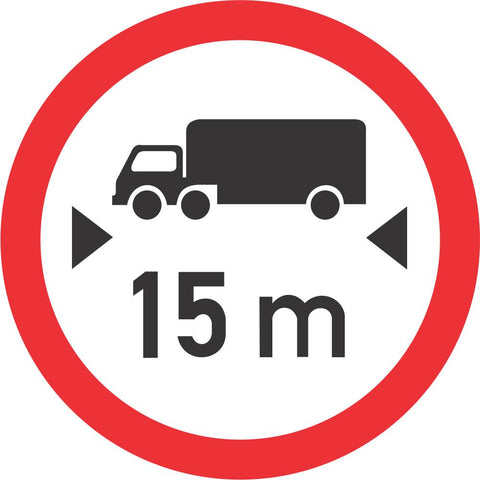
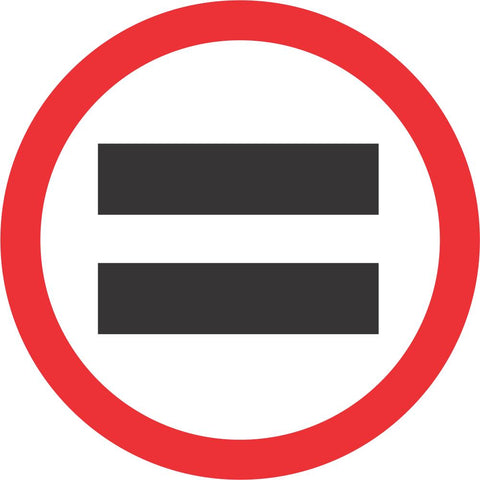
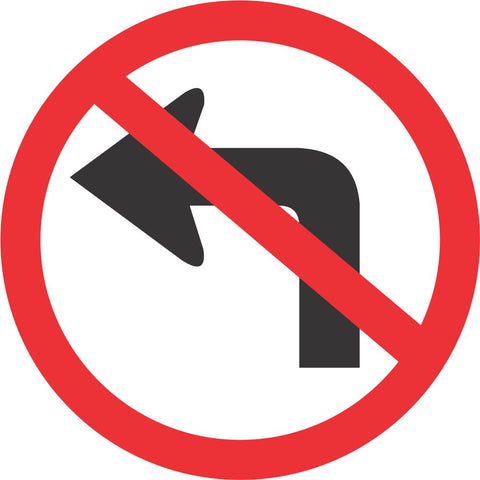
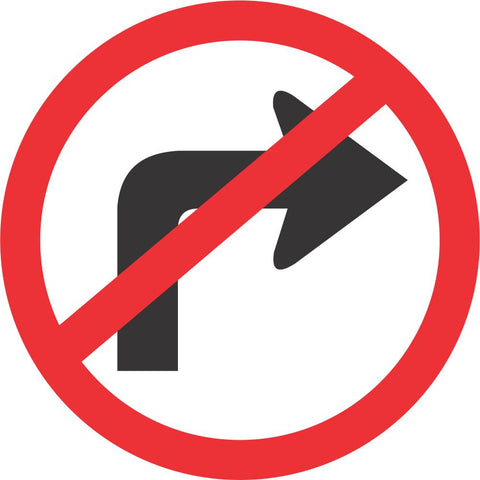
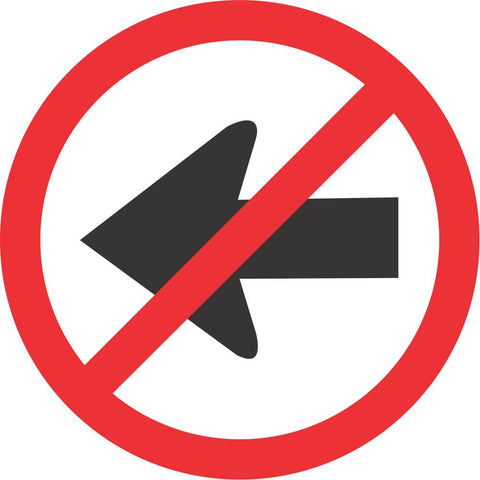
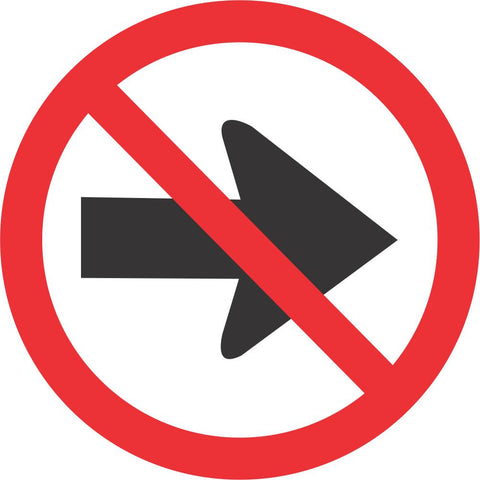
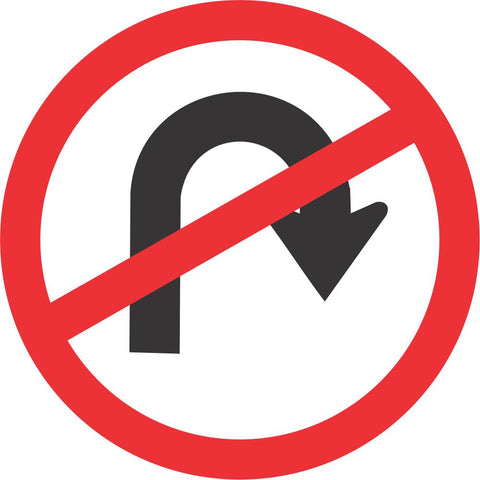
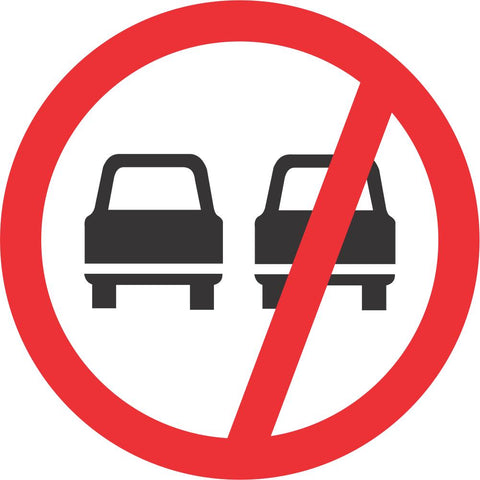
R200 Series Prohibition
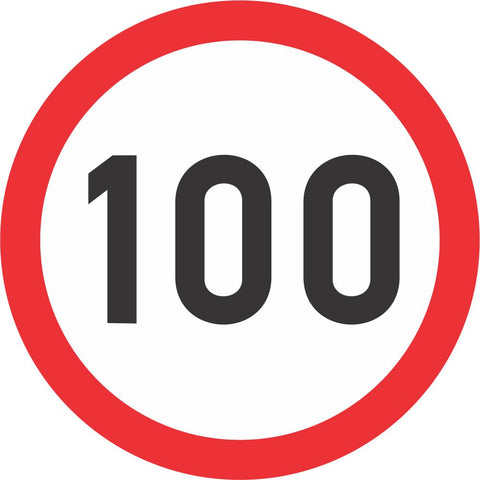
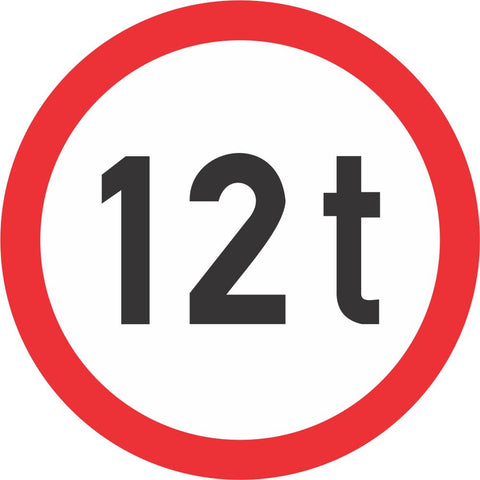
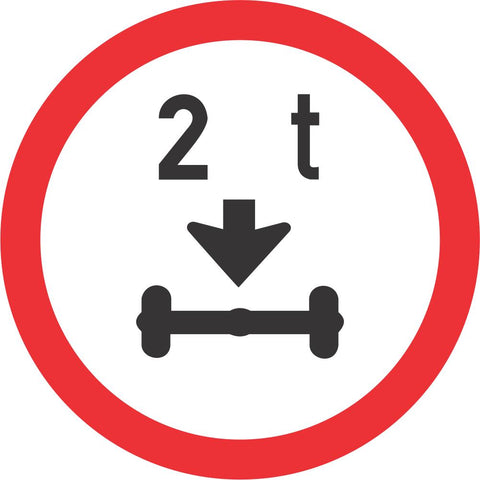
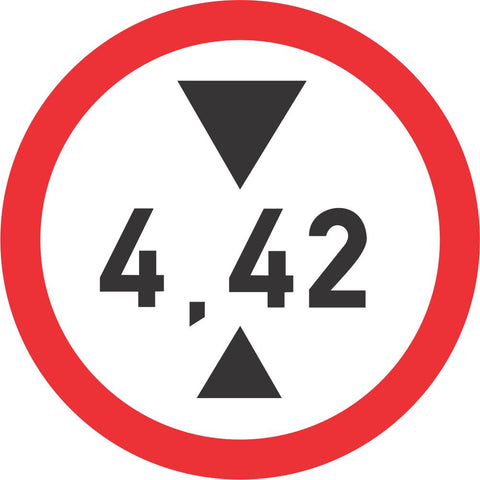
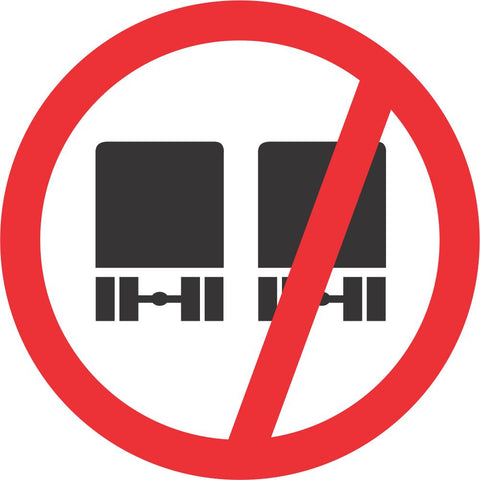
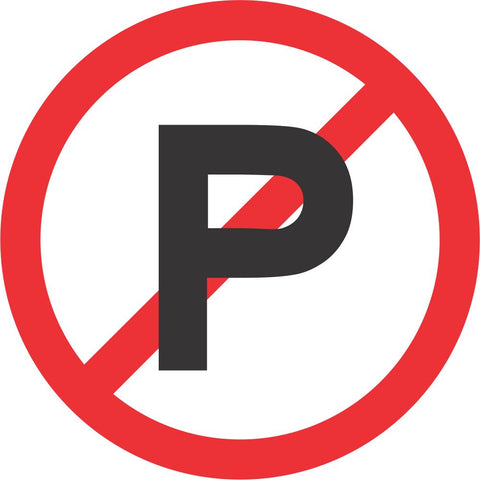
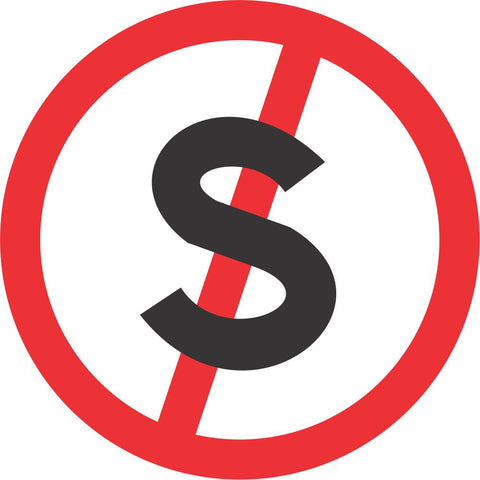
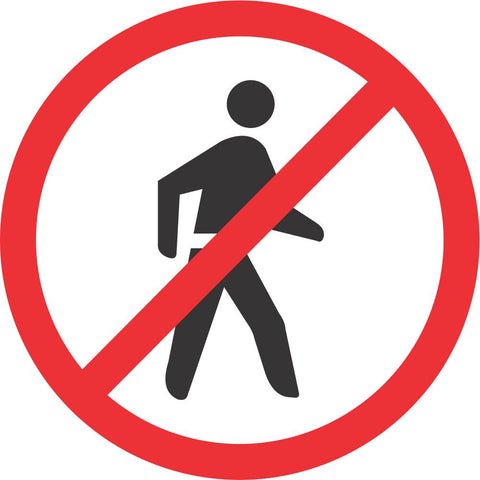
R200 Series Prohibition Signs are standardised road signs defined under the SADC Road Traffic Signs Manual (SADC-RTSM) to indicate actions and movements that are not permitted.
Standard sizes and materials are available for online purchase. Alternative sizes, materials, or specifications can be supplied on request.
To enquire about additional products such as nuts, bolts, clamps, unistruts, treated timber poles, and galvanised or painted steel poles in either round or square tubing, please contact us via email at info@safetysignonline.co.za.
What these signs are used for
R200 Series Prohibition Signs are used to prevent unsafe or unauthorised actions by clearly indicating what is not allowed.
How they are visually identified
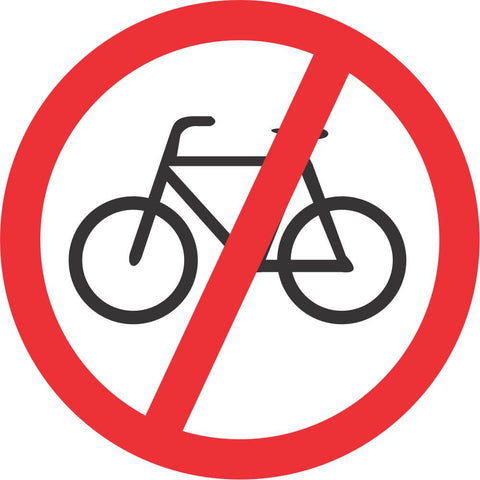
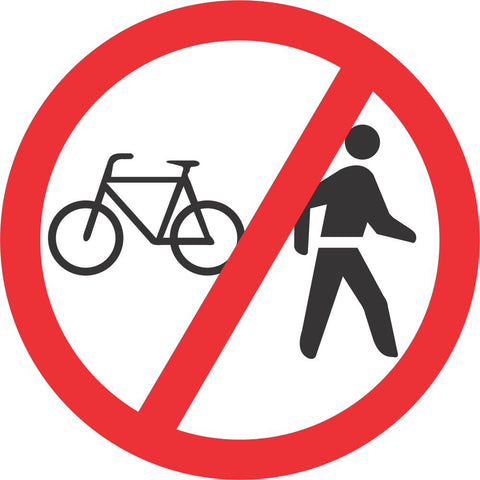
The red circular border and diagonal bar provide immediate recognition of a prohibited action.
Materials and design proportions
Designs follow fixed layouts and proportions defined in the Manual, with reflective signfaces to support visibility in day and night conditions.
Approved sizes
Approved sizes vary by sign type and road classification, with dimensions selected to ensure adequate viewing distance and reaction time.
These signs are manufactured in accordance with SADC-RTSM and are aligned with internationally recognised road signage principles, including SANS 1519 for retroreflective signface materials.
Selection and compliance guidance
Select the correct R200 sign code first, then confirm size and reflective performance based on traffic speed, approach distance, and installation location.
Guidance and further reading
- For detailed guidance on R200 Series Prohibition Sign meanings, symbol interpretation, and typical applications, refer to the R200 Series Prohibition Signs Explained guide.
- For a broader overview of road sign categories, colour meanings, and selection principles, visit the Road Signs Explained hub.